
Embedding Ethical AI in Vendor Contracts and Enterprise Policies
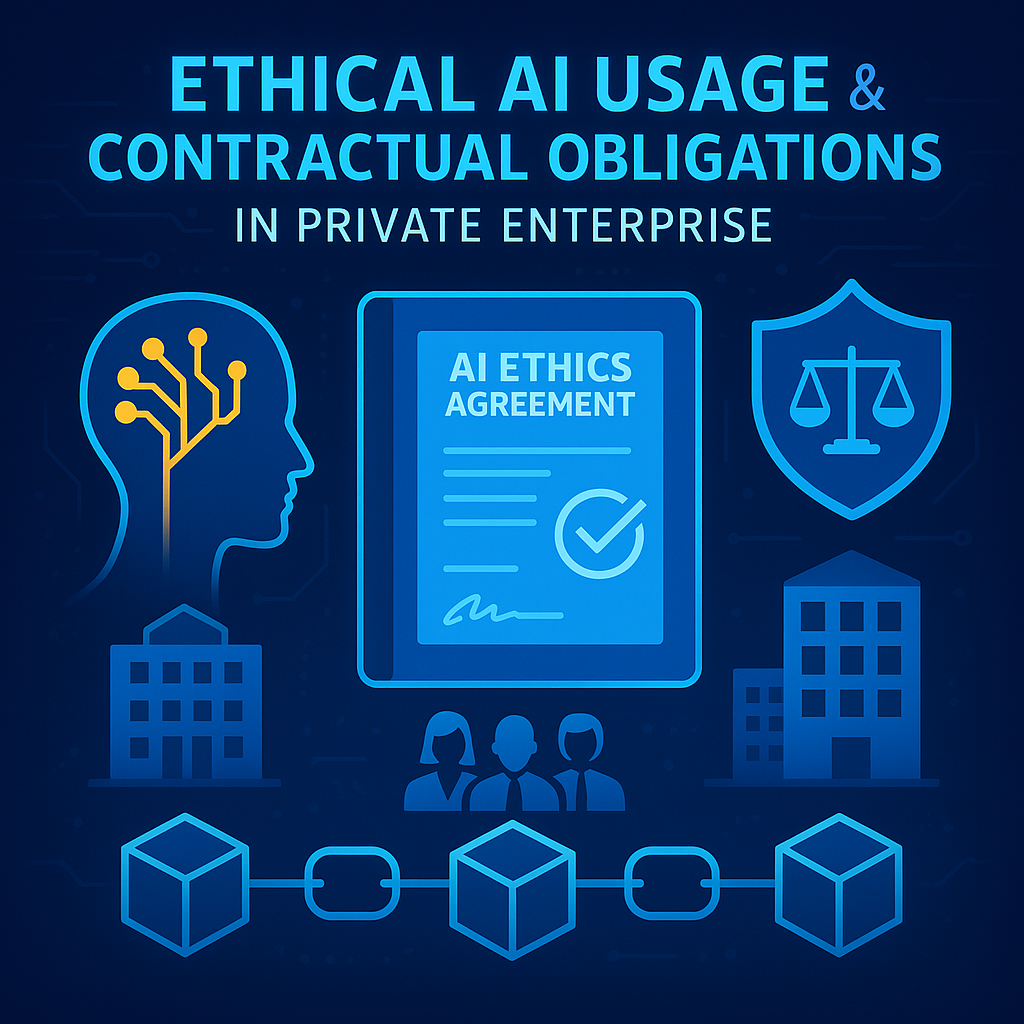
AI is transforming business operations, but it also brings ethical challenges. Procurement professionals and CIOs must ensure that AI solutions are used responsibly to avoid bias, privacy breaches, and other harms. One way to do this is by embedding ethical AI requirements directly into vendor contracts and internal company policies. This advisory overview explains how to demand ethical AI practices from vendors and how to implement internal governance for AI, covering risk areas, regulatory expectations, contract clauses, and real-world lessons.
Requiring Ethical AI Practices from Vendors
When negotiating with AI vendors (from cloud services to SaaS firms with AI features), insist on contractual commitments to responsible AI behavior. Do thorough due diligence on the vendor’s AI practices (data sources, bias controls, privacy safeguards). Consider it a red flag if a vendor can’t demonstrate strong ethical practices. Ideally, include a dedicated “Ethical AI” clause in the contract requiring the vendor to uphold fairness, transparency, and non-discrimination. For example, they should warrant that the AI was tested for bias and will not knowingly discriminate. Also, ongoing monitoring is required – the vendor might need to provide periodic bias audit reports or similar evidence of compliance.
Contracts should also set clear accountability and remedies for ethical lapses. If the AI produces problematic outcomes (e.g., biased results or unlawful actions), the vendor must promptly fix the issue or face consequences. Secure audit rights so your company can verify the AI’s performance and the vendor’s compliance with these obligations. Additionally, the vendor must agree to assist with any regulatory requirements, such as helping explain the AI’s decisions if authorities inquire. Finally, include liability or indemnification provisions: the vendor should bear responsibility if their AI’s behavior causes legal or regulatory trouble for your organization.
Internal Policies for Ethical AI Use
Embedding ethical AI isn’t just about vendors – your organization also needs strong internal policies for AI. Establish an AI governance framework (for example, an AI ethics committee or a designated responsible AI officer) to review new AI use cases and monitor existing ones. Your internal policy should state that AI must be used in line with core principles like fairness, privacy, transparency, and human oversight. For instance, any in-house AI model must undergo bias testing before deployment, and human review of important automated decisions (such as those affecting hiring or customers’ rights) must be mandated.
A crucial aspect of policy is guiding employees on safe AI usage. Train staff not to feed sensitive company or personal data into unapproved AI tools. Specify which AI tools or platforms are permitted and how to use them correctly (e.g., remove customer identifiers before using an external AI service). Make it a policy violation to rely on AI outputs without appropriate validation or to deploy an AI system without proper review. Also, encourage a speak-up culture: provide a way for employees to report AI-related concerns or biased outcomes they observe. Aligning internal practices with the standards you expect from vendors creates a consistent ethical AI culture.
Common Ethical AI Risks
AI can introduce several ethical and compliance risks that contracts and policies should address:
- Bias and Discrimination: Algorithms may reflect biases in training data, leading to unfair outcomes (e., an AI hiring tool favoring male applicants, or a lending model offering lower credit to certain groups). This can trigger discrimination lawsuits and reputational harm. Case in point: Amazon had to abandon an AI recruiting tool that showed gender bias.
- Privacy and Data Protection: AI systems often process personal, sensitive data. Improper use or sharing of such data can violate privacy laws and customer trust. For example, a facial recognition company was fined heavily for scraping and storing people’s images without consent. Ensuring data is collected and used transparently (with proper consent and security) is critical to avoid fines and backlash.
- Lack of Transparency: If an AI’s decision-making is a “black box,” it’s hard to explain or justify outcomes. This is problematic in regulated areas – for instance, lenders must explain why they denied a loan, which is impossible if the algorithm is too opaque. Without transparency, users and regulators lose trust. Ethical AI use requires some explainability or disclosure when AI is involved in significant decisions.
Aligning with Regulations and Standards
Regulators around the world are increasingly expecting companies to manage AI risks. The EU’s upcoming AI Act is a landmark law that will impose strict requirements on “high-risk” AI systems, mandating measures like risk assessments, bias testing, transparency to users, and human oversight. Even if you don’t operate in Europe, this sets a benchmark for best practices. The European Commission has even published model AI procurement clauses to help buyers demand transparency, data governance, and vendor audit rights. Similar contract clauses will help you comply with such regulations and signal good governance.
There isn’t a broad AI law in the United States yet, but sector-specific rules and state laws are emerging. New York City, for example, now requires annual bias audits and disclosures for AI used in hiring. Also, existing laws still apply: the U.S. CFPB warns that companies using AI for credit decisions must be able to provide specific reasons for adverse actions, just as with any manual process. That means your AI systems (and vendors) must offer enough transparency to satisfy these requirements. Staying aware of and aligned with these legal developments – and adjusting your practices as needed – will ensure your AI initiatives meet current and future expectations.
Key Contract Clauses for Ethical AI
Include clauses in vendor agreements that address the following:
- Fairness & Non-Discrimination: The vendor warrants that the AI has been tested and is designed to avoid unfair bias or discrimination. If bias is discovered, the vendor must remedy it quickly.
- Transparency & Explainability: Vendor provides information on how the AI works and its limitations. Users should be informed when AI is making decisions about them, and the system should enable explanations of those decisions when required.
- Privacy & Data Use: The contract strictly limits how the vendor can use your data. Personal data must be protected in compliance with laws, and the vendor won’t use your data to train other models or share it without permission.
- Audit Rights: Your organization can audit or request evidence of the AI’s compliance (e.g., results of bias testing or security measures). This ensures you can verify the vendor’s claims throughout the relationship.
- User Recourse & Oversight: If the AI affects end-users, there must be a way for users to contest decisions or seek human review. The vendor should support compliance with any “appeal” or human-oversight requirements (for example, providing an option to override or manually review automated decisions when necessary).
Real-World Examples underscore the stakes:
- Biased Algorithms Spark Backlash: Amazon’s AI hiring tool and Apple Card’s credit algorithm drew public outcry and investigations for alleged gender bias. An unethical algorithm can quickly become a legal and PR nightmare.
- Privacy Violations and Fines: Clearview AI’s facial recognition service, used by some organizations, led to hefty fines and bans due to illegal data collection. Deploying AI without regard for privacy rights can result in severe penalties and damage credibility.
- Data Leaks via AI Tools: Samsung saw employees inadvertently leak secrets using a public AI chatbot. This incident illustrates the need for internal AI usage policies – without them, well-meaning staff can cause serious security breaches.
Recommendations
- Define AI Ethics Guidelines: Establish clear AI ethics principles for your organization (e.g., fairness, transparency, privacy, human oversight). Use these to guide internal AI development and what you expect from vendors.
- Embed Ethics in Vendor Selection: Include ethical criteria in your RFPs and vendor vetting. Choose vendors willing to be transparent and agree to contract clauses on fairness, auditability, and privacy. Make ethical requirements non-negotiable in your contracts.
- Strengthen Internal AI Governance: Set up internal checks and training for AI use. For example, rthics reviews bshould be required efore deploying new AI systems, tmployees oshould be trained n approved AI tool usage, and eolicies ashould be enforced gainst improper use of AI or data.
- Monitor and Audit AI Regularly: Don’t assume an AI stays ethical after launch. Periodically audit outcomes for bias or errors, and review vendors’ compliance with your contract terms. Address any issues that arise immediately.
- Stay Updated on AI Laws: Keep abreast of new AI regulations and industry best practices, and update your contracts and policies proactively to stay ahead of the curve.
By embedding ethical AI requirements into contracts and policies, organizations can innovate with AI while safeguarding against bias, legal pitfalls, and reputational damage. This proactive approach builds trust with customers, employees, and regulators.
